The most compelling stories aren't just a sequence of events; they're echoes of universal truths, reflections of the human spirit, and windows into deeper meaning. This profound connection is forged through Shared Themes & Narrative Elements, the invisible architecture that elevates a good story to an unforgettable experience. Whether you’re crafting a saga, analyzing a classic, or simply looking to understand why certain tales resonate so deeply, grasping these fundamental building blocks is your key to unlocking storytelling's true power.
At a Glance: The Heart of Storytelling
- Themes are the soul of a story: They're the central messages that give meaning and purpose, guiding everything from character arcs to plot twists.
- Universal appeal: Common themes like "Good vs. Evil" or "Coming of Age" connect us to shared human experiences, transcending culture and time.
- Driving force: Strong themes provide clarity, evoke emotion, and drive the narrative forward, often evolving through conflict.
- Crafting statements: Articulate theme statements connect your story to broader concepts like connection or purpose, enriching the reader's journey.
- More than just plot: Themes are woven into every fabric of a story – characters, settings, symbols, and the very structure of the narrative.
Beyond the Surface: What Are Narrative Themes, Really?
Think of a narrative theme as the central idea or message that gracefully emerges throughout a story, giving it direction and profound meaning. It's not just "what happens," but "what it means." These themes often reflect an author’s deepest values, beliefs, or observations about the world, offering insights into the human condition.
They can be explicit, clearly stated by a character or narrator, or more often, implied, inviting you, the reader, to ponder and discover their layers through characters’ actions, unfolding events, and even the choice of setting. Ultimately, themes are the underlying threads that connect every element of a story, allowing its message to transcend the specific plot and speak to universal experiences. They're why a story written centuries ago can still move you today.
Why Themes Are the Bedrock of Every Great Story
Why bother with themes beyond just a compelling plot? Because they provide essential coherence and purpose. They're your compass, guiding readers through the labyrinth of plot points and connecting them intimately with the author's vision. A story without a strong theme might entertain for a moment, but it's a story that lacks lasting impact.
A well-crafted theme does more than just make a story cohesive; it evokes emotions, sparks deep reflection, and leaves a lasting imprint on the reader's mind. It's the difference between hearing a sequence of sounds and listening to a symphony.
The Unseen Threads: Decoding the Different Kinds of Themes
Themes aren't monolithic; they operate on various levels within a narrative, each contributing to the overall tapestry of meaning. Understanding these distinctions helps both creators and analysts appreciate the full depth of a story.
The Three Core Types of Themes
- Central Theme: This is the undisputed core idea, the beating heart around which the entire story revolves. It answers the fundamental question: "What is this story really about?" For instance, in The Lord of the Rings, a central theme is the corrupting nature of power.
- Underlying Theme: These themes are more subtle, adding depth and nuance without being the main focus. They invite readers to think beyond the surface-level plot. An underlying theme might explore aspects like environmentalism or the fleeting nature of beauty, adding richness to the primary narrative.
- Recurring Theme: As the name suggests, these themes appear repeatedly throughout the narrative, reinforcing the overall message. It might be a motif, a particular type of conflict, or an idea that crops up in different contexts, constantly reminding the audience of its significance.
Beyond Core Ideas: How Themes Manifest
Beyond their hierarchical role (central, underlying), themes also manifest in different ways, supported by specific narrative techniques.
- Primary Theme: This is another way to describe the central, driving message, the one that propels the main plot forward and directly impacts the protagonist's journey. Think of Redemption in Les Misérables or Freedom in The Shawshank Redemption.
- Secondary Theme: These complement the primary theme, adding layers of complexity and often exploring related but distinct ideas. For example, alongside Redemption, Les Misérables also delves into secondary themes of Justice, Sacrifice, and Love.
- Motif: Not a theme itself, but a powerful tool to reinforce one. A motif is a recurring element—an image, symbol, sound, idea, or phrase—that takes on a symbolic significance. The mockingbird in To Kill a Mockingbird is a motif that reinforces themes of innocence and injustice. A lamp symbolizing hope, or a journey representing self-discovery, are other classic examples.
- Leitmotif: Similar to a motif, but usually more specifically tied to a character, concept, or specific emotion. It’s often used in music (think Darth Vader's theme), but in literature, it could be a character's distinctive habit, a recurring sound, or a specific sight that always accompanies a certain idea or individual, creating deep emotional associations.
- Symbolic Theme: This is where objects, actions, or concepts are used to represent larger, often abstract, ideas, carrying deeper meanings that contribute to the overall thematic message. A sturdy tree might symbolize growth and resilience, while a mirror could represent identity or self-reflection, underpinning a character's journey.
The Architect's Blueprint: The 7 Essential Elements of a Narrative (and Where Themes Fit In)
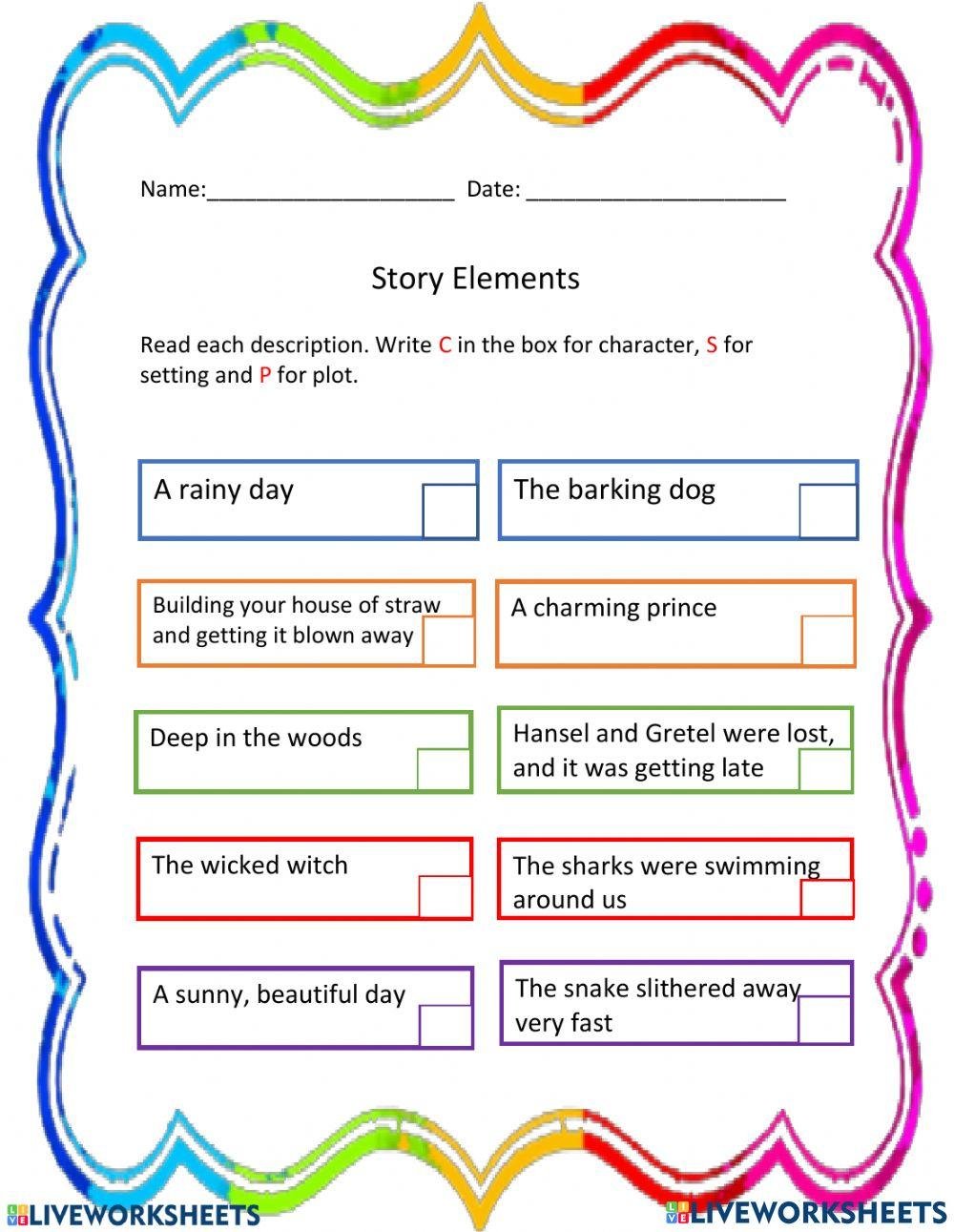
Every story, whether a quick anecdote or an epic novel, is built upon a set of fundamental elements. These are the gears and levers that make a narrative work, conveying ideas, emotions, and experiences through characters, settings, and events. Understanding them helps you appreciate how themes are intricately woven into the very fabric of storytelling.
- Plot: The backbone of any story, the plot is the sequence of events. It typically follows a structured path: setup, rising action, confrontation, climax, falling action, and resolution. Without a compelling plot, even the strongest themes can fall flat.
- Characters: The individuals who populate the narrative. From protagonists to antagonists, and every supporting role in between, characters are the vessels through which themes are explored and made relatable. Their decisions, growth, and conflicts often embody the story’s core messages.
- Point of View (POV): This determines whose thoughts, feelings, and observations you, the audience, experience. Whether it's first-person, second-person, third-person limited, or third-person omniscient, POV influences how themes are presented and perceived.
- Setting: The time and place where the story unfolds. Beyond mere background, the setting can heavily influence mood, atmosphere, and character actions. It can also serve as a powerful metaphor or symbol, directly reflecting or contrasting with the story's themes.
- Theme: As we've extensively discussed, this is the central idea or message. It reflects broader societal issues, personal growth, or universal truths, giving the narrative its ultimate purpose.
- Conflict: The struggle between opposing forces, whether internal (a character's inner turmoil) or external (character vs. character, nature, society). Conflict is the engine that propels the story forward and, crucially, is often where themes are tested, challenged, and ultimately revealed.
- Style: This encompasses the manner of presentation – the author's choice of language, sentence structure, tone, and overall aesthetic. Style is how the story is told, and it significantly impacts how themes are conveyed and received.
Within these seven elements, theme acts as the guiding star, subtly influencing choices made in plot, character development, setting descriptions, and even the stylistic flair. It ensures that every piece contributes to a cohesive, meaningful whole.
Timeless Narratives, Universal Truths: Common Themes We All Connect With
Certain themes resonate across cultures and generations because they tap into fundamental aspects of the human experience. Here's a look at some of the most common and powerful themes, alongside celebrated literary examples:
- Good vs. Evil: The eternal struggle between morality and wickedness.
- Example: To Kill a Mockingbird vividly portrays this through Atticus Finch’s unwavering moral compass against the malice of Bob Ewell and societal prejudice.
- Coming of Age (Bildungsroman): The journey of a young person transitioning from innocence to experience, often involving self-discovery and growth.
- Example: J.D. Salinger's The Catcher in the Rye follows Holden Caulfield's tumultuous journey through adolescence and disillusionment.
- Loyalty and Betrayal: The complex dynamics of trust, allegiance, and their rupture.
- Example: Shakespeare's Romeo and Juliet shows Romeo betraying his family ties for his love for Juliet, leading to tragic consequences for both families.
- Justice and Injustice: The pursuit of fairness, the consequences of its absence, and societal critiques.
- Example: F. Scott Fitzgerald's The Great Gatsby offers a searing critique of the American Dream, exposing the deep injustices lurking beneath its glittering surface.
- Power and Control: The corrupting influence of authority, the struggle for dominance, and the fight for freedom.
- Example: George Orwell's 1984 paints a chilling picture of Big Brother's manipulative regime, where every aspect of life is controlled.
- Journey of Self-Discovery: A character's quest to understand themselves, their purpose, and their place in the world.
- Example: Lewis Carroll's Alice in Wonderland sees Alice navigating a surreal world, constantly questioning her identity and finding her true self amidst absurdity.
- Impact of Technology on Society: Explores the ethical dilemmas, changes, and consequences brought about by technological advancement.
- Example: Lionel Shriver's We Need to Talk About Kevin subtly touches upon how modern communication and societal shifts might contribute to alienation and its dark outcomes.
- Forgiveness and Redemption: The possibility of transformation, second chances, and finding absolution.
- Example: Victor Hugo's Les Misérables is a monumental tale of Jean Valjean's lifelong pursuit of redemption and the power of Fantine’s sacrifice.
- Identity and Belonging: The search for one's place, the influence of social standing, and the desire for acceptance.
- Example: Jane Austen's Pride and Prejudice focuses on Elizabeth Bennet's journey to define her identity and find belonging beyond societal expectations, particularly with Mr. Darcy.
- Family and Responsibility: The bonds that tie us, the duties we owe, and the complex relationships within a family unit.
- Example: Khaled Hosseini's The Kite Runner profoundly explores the complexities of family, friendship (between Amir and Hassan), and the heavy burden of responsibility and guilt.
These themes, repeatedly explored across diverse narratives, demonstrate the enduring power of storytelling to reflect and interpret the human condition.
Crafting Your Message: Developing Powerful Theme Statements
A theme isn't just a single word like "love" or "freedom"; it's a complete message, a statement that encapsulates the author's insight about that concept. A strong theme statement connects your story to universal concepts, enriching the reader’s experience by providing clarity and a deeper understanding of its core message.
Here’s how to think about it, using some compelling examples:
- Connection: Instead of just "friendship," consider how Harry Potter and the Sorcerer’s Stone emphasizes the theme. Its theme statement might be: "True friendship, love, and a sense of belongingness are the most powerful forces against evil, demonstrating the strength found in unity."
- Growth: Rather than simply "self-belief," The Alchemist offers a more profound statement. Its theme statement could be: "Embracing personal legends and pursuing one’s true path, despite challenges, leads to profound self-discovery and transformative power."
- Purpose: Viktor Frankl’s Man’s Search for Meaning doesn't just talk about "meaning." Its powerful theme statement is: "Even in the face of unimaginable suffering, finding purpose and meaning in life fosters resilience and gives humanity the strength to endure."
When you can articulate your story's theme as a clear statement, you gain a powerful tool for guiding your narrative and ensuring every element serves that overarching message.
Beyond the Words: How to Uncover Themes in Any Story
Whether you're a reader aiming for deeper comprehension or a writer seeking inspiration, identifying themes is a skill you can hone. It's like being a detective, looking for clues the author has deliberately (or sometimes subconsciously) left behind.
- Pay Attention to Recurring Ideas or Motifs: Do certain images, symbols, phrases, or situations keep reappearing? These repetitions are rarely coincidental; they often serve to underscore a thematic message. For instance, the constant presence of eyes in The Great Gatsby reinforces themes of judgment and surveillance.
- Look for Patterns in Character Development and Interactions: How do characters change, or fail to change, over the course of the story? What are their core beliefs, and how are these challenged? The conflicts and resolutions between characters often expose underlying thematic ideas about human nature, relationships, and society.
- Consider the Setting and How It Reflects the Theme: Is the setting bleak or vibrant? Oppressive or liberating? The environment in which a story unfolds is rarely just a backdrop. It can mirror a character's internal state, symbolize societal conditions, or directly embody a thematic concern. Think of the stark, isolated world of 1984 reflecting the theme of control.
- Reflect on the Author’s Intent and the Story’s Purpose: While not always explicit, considering why an author might have written a story can shed light on its themes. What message might they be trying to convey about humanity, society, or a particular experience? What larger questions does the story seem to be asking or answering? This is where your critical thinking truly comes into play.
By systematically examining these elements, you can strip away the surface-level plot and reveal the thematic core that gives a story its enduring power.
Building Unforgettable Stories: What Makes a Theme Truly Strong?
A theme isn't just present in a story; a strong theme actively shapes and elevates it, ensuring it resonates deeply and lingers long after the final page. Here's what sets powerful themes apart:
- Clarity and Consistency: A strong theme acts as a guiding principle, influencing every character decision, plot twist, and descriptive detail. It's like an invisible compass that ensures the narrative stays true to its core message, even through complex developments.
- Depth and Exploration: Powerful themes are rarely one-dimensional. They are multifaceted, allowing for thorough examination from various angles. For example, "courage" isn't just about bravery in battle; it might also explore moral courage, the courage to be vulnerable, or the courage to change, adding layers of meaning.
- Relevance and Resonance: The best themes connect with the audience's own experiences, emotions, or universal human truths. They evoke genuine feelings and spark reflection, making the story feel personally significant and timely, regardless of when it was written.
- Conflict and Tension: A strong theme is rarely static. It's often tested and challenged through internal or external struggles. These conflicts allow characters to grow, question their beliefs, and ultimately reveal the nuanced truths of the theme. Without conflict, a theme feels preachy; with it, it feels earned.
- Symbolism and Representation: Effective themes often incorporate objects, actions, or even minor characters that visually or metaphorically reinforce their meaning. These symbolic elements deepen the thematic impact without needing explicit explanation, enriching the reader's interpretive experience.
- Audience Connection: Whether universal (like love and loss) or highly specific (the impact of a particular historical event), a strong theme creates a bridge between the story and its audience. It illustrates shared challenges, triumphs, or dilemmas, fostering empathy and understanding.
- Narrative Drive: A truly robust theme shapes the plot itself, influencing character decisions, driving events forward, and providing a sense of purpose to the narrative arc. It ensures the story isn't just a series of occurrences but a journey with a clear, engaging, and purposeful trajectory.
When a theme possesses these qualities, it transforms a mere story into a profound experience, leaving a lasting impact on its audience.
FAQs & Common Misconceptions About Narrative Themes
Here are answers to some frequently asked questions and clarifications on common misunderstandings regarding themes in storytelling.
Q: Is a theme the same as a moral?
A: Not quite. A moral is a specific lesson or instruction on how to behave ("Honesty is the best policy"). A theme is a broader idea or observation about life, human nature, or society ("The complexities of moral choice"). While a story's theme might imply a moral, it typically offers a more nuanced exploration rather than a directive.
Q: Does every story need a theme?
A: Yes, virtually every compelling story has at least one theme, even if it's implicit. Stories are inherently about meaning, and themes provide that meaning. Even simple fables or myths often carry profound thematic weight. A story without a theme might be entertaining but will lack depth and lasting impact.
Q: Can a story have more than one theme?
A: Absolutely! Most rich and complex stories weave together several themes. There's often a central or primary theme, supported by multiple secondary and underlying themes that add layers of meaning and exploration. For instance, a story about "Redemption" might also explore "Forgiveness," "Justice," and "Family."
Q: How do I avoid being preachy when exploring a theme?
A: Show, don't tell. Instead of explicitly stating your theme or having characters deliver speeches about it, embed it in the characters' actions, their struggles, their relationships, and the consequences of their choices. Let the theme emerge naturally through the narrative, inviting the reader to discover and interpret it rather than being lectured. Conflict and nuance are key – rarely are thematic truths simple.
Q: Can a theme change throughout a story?
A: While the central theme usually remains consistent, its interpretation or the characters' understanding of it can evolve. As characters face conflict and grow, the theme is explored more deeply, revealing new facets or complexities. The story's events might challenge initial assumptions about a theme, leading to a more mature or nuanced perspective by the end.
Q: What's the difference between a motif and a theme?
A: A motif is a recurring element (an image, symbol, sound, idea, or object) that helps reinforce a theme. A theme is the central message or idea itself. Think of a motif as a thread and a theme as the pattern woven into the fabric. For example, a "broken clock" could be a motif, symbolizing the theme of "the irreversible passage of time" or "lost opportunities."
Your Story, Your Impact: Putting Themes into Practice
Understanding Shared Themes & Narrative Elements isn't just for literary critics; it's a superpower for anyone who wants to communicate effectively, empathize deeply, or craft unforgettable tales. Whether you're dissecting a classic novel, analyzing a complex film, or embarking on your own creative writing journey, focusing on these universal messages will elevate your understanding and your output.
For those diving into character-driven narratives, remember that a strong theme provides the emotional core, guiding your characters through their darkest moments and their greatest triumphs. It’s what transforms simple events into meaningful experiences. If you're exploring complex worlds and intricate character dynamics, perhaps like those found in Your Ben 10 Generator Rex guide, recognizing the underlying themes helps you appreciate the creators' vision and connect with the story on a much deeper level.
So, the next time you encounter a story – be it on a page, a screen, or around a campfire – ask yourself: What is this really about? What message is it trying to convey? By seeking out the shared themes and narrative elements, you're not just consuming a story; you're engaging in a timeless human conversation, enriching your own world and the worlds you create.