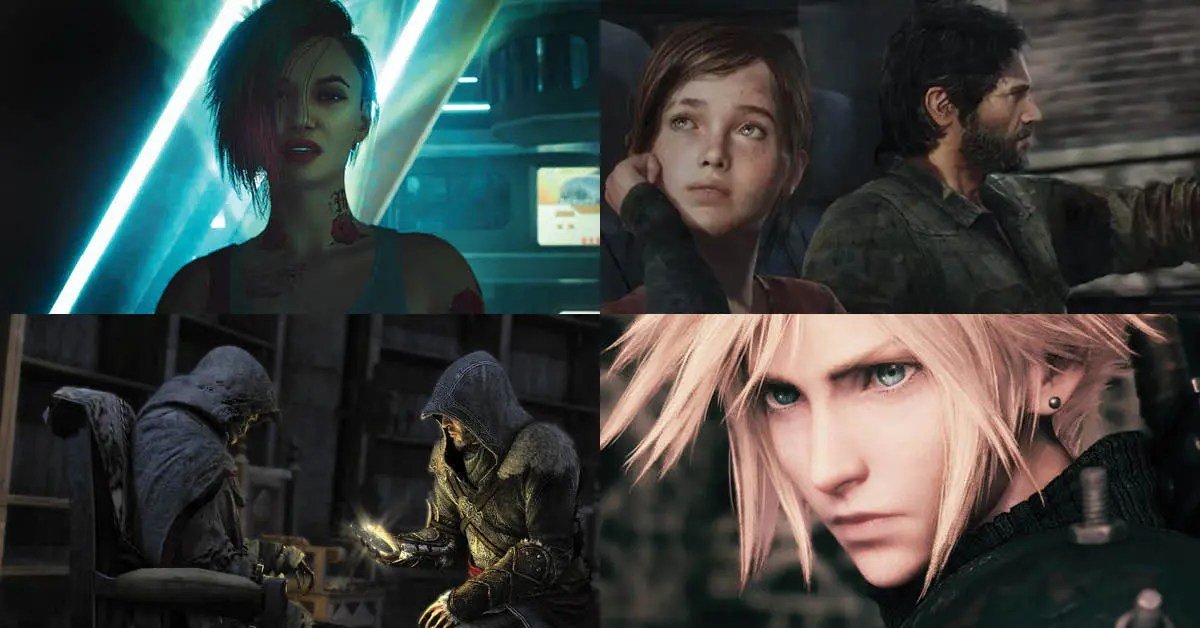
Think about your favorite story. Does it live solely on the pages of a single book, or has it leapt from the screen, spawned games, filled toy aisles, and even inspired theme park rides? For most beloved narratives today, the answer is a resounding "yes." The modern entertainment landscape is dominated by rich, interconnected universes where Merchandise, Games & Multimedia Adaptations aren't just add-ons—they are the very engines that propel stories into global phenomena, transforming fleeting fads into enduring cultural touchstones.
It's an exciting, complex world where creativity, commerce, and fan passion collide. But what does it really mean for a story to become a "multimedia franchise," and how do these expansions truly enrich our experiences? Let's peel back the layers.
At a Glance: What You'll Discover About Franchise Expansion
- Defining the Multiverse: Understand the specific criteria that elevate a story to a true "multimedia franchise."
- Why Stories Expand: Explore the core motivations—from audience reach to brand longevity and creative exploration.
- The Power of Each Medium: See how merchandise, games, films, TV, and comics each play unique roles in deepening engagement.
- Decoding Success & Failure: Learn the hallmarks of brilliant adaptations versus those that miss the mark.
- Your Role as a Fan: How to navigate and enjoy this ever-expanding narrative landscape.
Beyond the Page or Screen: What Exactly is a Multimedia Franchise?
At its heart, a multimedia franchise is a narrative universe that thrives across various forms of media, creating a cohesive, yet multifaceted, experience. It's more than just a single book getting a movie adaptation; it's a carefully orchestrated expansion designed to capture different facets of a story and appeal to diverse audiences.
Based on industry understanding, for a story to truly qualify as a robust multimedia franchise, it needs a few key ingredients:
- Three's the Magic Number: The franchise must exist in at least three distinct forms of media. Think books, then films, then video games—that's three.
- Depth in Diversity: Within at least two of those media forms, there need to be two or more separate works. So, a TV series might have a spin-off and a remake, alongside two films, and a single novelization. This demonstrates a sustained commitment to that particular medium. A single TV series with just one film and one novelization, for example, wouldn't quite make the cut.
- Intellectual Property is Key: These expansions happen through strategic intellectual property (IP) licensing agreements. This means stories entering the public domain, where anyone can adapt them without permission, don't count towards building a multimedia franchise unless they achieved that status when the original creators still held control.
- Fiction Only: While documentaries or "making-of" books about a franchise are fascinating, they aren't considered installments within the franchise itself. Only fictional works that expand the narrative or world count.
Franchises are often categorized by where they began their life. Did it start as a series of literary works (like Dune or The Lord of the Rings)? Perhaps as comics or printed cartoons (e.g., Marvel, DC, Tintin)? Many explode from a successful television series (both animated and live-action, such as Star Trek or Pokémon), or a blockbuster film (like Star Wars or Toy Story). Increasingly, video games are the birthplace of massive universes (Mario, The Witcher, Halo), alongside more traditional board games, card games, or tabletop RPGs (Dungeons & Dragons). And let's not forget how toys, attractions, and other media can kickstart a phenomenon, becoming multimedia powerhouses in their own right.
The Engines of Expansion: Why Go Multimedia?
Why do creators and companies invest so heavily in transforming a single story into a sprawling network of media? It’s not just about creative ambition; it's a strategic move with profound benefits.
Unlocking Broader Audiences and Deeper Engagement
One of the primary drivers is the desire to reach new people. A story that begins as a novel might only appeal to avid readers. Turn it into a film, and suddenly, millions more are exposed. Develop a video game, and you tap into a demographic that values interactive storytelling. These different media aren't just translations; they're unique portals into the same universe, allowing fans to engage on their own terms. Some prefer passive viewing, others active play, and many enjoy all of it. This multi-pronged approach ensures the story finds its way into more hearts and minds.
Fueling Revenue Diversification and Stability
From a business perspective, expanding a franchise into multiple media forms is a smart way to diversify revenue streams. Instead of relying on box office sales or book royalties alone, companies can generate income from game sales, merchandise, streaming rights, theme park tickets, and more. This financial stability makes the franchise more resilient, able to weather downturns in one sector while thriving in others. It's a robust economic model built around a captivating core idea.
Ensuring Brand Longevity and Cultural Relevance
Popular stories, left to their original medium, can fade with time. Multimedia adaptations breathe new life into them, keeping them relevant across generations. A child today might discover Star Wars through a new animated series, then explore the original films, play the games, and collect the toys. This continuous reinvention and re-introduction ensure the franchise remains a vibrant part of the cultural conversation, rather than a relic of the past. It’s how stories like Batman have remained potent for over 80 years.
A Richer Canvas for Creative Storytelling
Finally, and perhaps most importantly for the art itself, different media offer unique tools for storytelling. A novel can delve into inner thoughts and complex themes that a film might struggle to portray visually. A video game can put you directly in the shoes of a character, allowing for agency and exploration impossible in linear narratives. Comics can embrace stylized art and fast-paced action. Each adaptation isn't just a re-telling; it's an opportunity to explore new narrative angles, expand lore, and reveal previously unseen aspects of a beloved world, deepening the overall universe for everyone.
Crafting the Multiverse: Key Adaptations & Their Impact
Each form of media adaptation plays a distinct role in building and enriching a multimedia franchise. They're not interchangeable; they're complementary, each contributing to the grand tapestry.
Merchandise: The Tangible Connection to Fandom
From action figures to apparel, posters to lunchboxes, merchandise allows fans to bring a piece of their favorite world into their physical lives. It's more than just commerce; it's a form of personal expression and a declaration of allegiance.
- The Power of Play: Toys, especially, are crucial for younger audiences. A Transformers action figure isn't just a static object; it's a catalyst for imaginative play, allowing children to create their own stories within the established universe. The iconic Star Wars action figures, released shortly after the first film, weren't just toys; they were a cultural phenomenon that cemented the franchise's place in popular culture. They allowed kids (and adults) to literally hold their heroes and villains.
- Identity & Belonging: Wearing a T-shirt with a franchise logo or collecting limited-edition items connects fans to a larger community. It signals shared interests and passions, fostering a sense of belonging among like-minded individuals. This tangible connection can often be the first entry point for a new fan.
- Collectibility & Value: For many, merchandise transcends simple consumerism to become a hobby of collecting. Rare items can appreciate in value, turning fandom into an investment and creating a vibrant secondary market that further fuels interest in the franchise.
Games: Interactive Immersion and World Expansion
Video games, tabletop role-playing games (RPGs), and board games offer unparalleled levels of immersion and agency. They transform passive viewers into active participants, allowing them to shape their own experiences within the franchise's world.
- Video Games: Living the Story: Modern video games can boast budgets and narrative scope comparable to Hollywood films, often pushing storytelling boundaries further. They can expand lore significantly, introduce new characters, and allow players to explore intricate maps and storylines that would be impossible in other media. Think of how The Witcher video game series didn't just adapt Andrzej Sapkowski's novels; it built upon them, crafting new adventures for Geralt of Rivia that are now integral to the franchise's identity. Players aren't just watching Geralt; they are Geralt, making choices that affect the world.
- Tabletop & RPGs: Collaborative Storytelling: Games like Dungeons & Dragons or official franchise RPGs (e.g., Star Wars: Edge of the Empire) empower fans to become co-creators. Guided by rules and a "Game Master," players collectively weave new tales within the established universe, developing their own characters and contributing to an emergent narrative. This fosters deep community bonds and an almost limitless creative outlet.
- Platform Diversity: From console epics to mobile puzzlers, games can adapt to various formats and player preferences. For example, popular animated series like Ben Ten and Generator Rex have leveraged their action-packed universes to create engaging video games, allowing fans to step into the roles of their favorite heroes and battle villains themselves. You can Explore Ben Ten Generator Rex to see how these animated universes translate into interactive adventures.
Multimedia: The Broadcast & Cinematic Universe
Films, television series (live-action and animated), and digital comics often serve as the mass-market entry points, reaching broad audiences and setting the tone for the entire franchise.
- Films & TV Series: Grand Narratives for the Masses: These are often the biggest budget adaptations, designed for widespread appeal. They introduce core characters, major plotlines, and visual aesthetics that define the franchise for millions. They can also offer new interpretations or reboots, bringing fresh perspectives to established stories, as seen with numerous superhero film universes.
- Comics & Novels: Deepening the Lore: While films and TV provide the spectacle, comics and tie-in novels often fill in the gaps, explore side stories, or delve deeper into character backstories and world-building. They're a space for intricate details and complex narratives that might not fit the pacing of a visual medium. Many cinematic universes rely heavily on these printed extensions to enrich their canon between major releases.
The Art of Adaptation: Success Stories and Common Pitfalls
Not all franchise expansions are created equal. For every Marvel Cinematic Universe or Pokémon, there's an adaptation that falters, reminding us that expanding a franchise is a delicate balancing act.
The Recipe for a Successful Multiverse
A thriving multimedia franchise isn't built on chance; it's the result of strategic planning, creative integrity, and a deep understanding of both the source material and the new medium.
- Respect the Source, Embrace the New: The best adaptations honor the core spirit, characters, and themes of the original work while recognizing that each medium has its own strengths and limitations. It's not about a slavish, one-to-one translation, but a thoughtful re-imagining. The Last of Us TV series is a prime example: it meticulously recreated key moments from the game while also adding new character beats and expanding the backstory in ways that felt true to the original.
- Maintain Quality Control & Cohesion: Consistency in quality across different media is paramount. A brilliant film can be undermined by a rushed, buggy video game or shoddy merchandise. Furthermore, maintaining a cohesive narrative and visual style helps solidify the brand. A "lore bible" or dedicated creative overseers often ensure all adaptations feel like part of the same universe.
- Strategic Timing and Rollout: When and how new adaptations are released can significantly impact their success. Building anticipation, staggering releases, and aligning marketing efforts across platforms create a powerful ripple effect.
- Understand Each Medium's Strengths: A good adaptation asks: "What can this medium do uniquely well with this story?" Games excel at player agency, films at visual spectacle, novels at internal monologue. Leveraging these strengths is key.
- Listen to the Fans: The most passionate fans are often the most discerning. Engaging with the community, understanding what they love (and what they critique), can provide invaluable feedback for future adaptations.
Warning Signs & Pitfalls to Avoid
Conversely, several common missteps can derail a franchise's expansion, alienating fans and diluting the brand.
- The "Cash Grab" Syndrome: When adaptations feel cynical—rushed, low-budget, or simply designed to exploit fan loyalty for a quick buck—they quickly sour the audience. These often lack creative vision and disrespect the source material.
- Inconsistent Lore and Character Betrayal: Fans invest deeply in fictional worlds and their inhabitants. Major inconsistencies in plot, character motivations, or established lore across different adaptations can be incredibly frustrating and break immersion. If a character acts completely out of character in a spin-off game compared to the original show, it feels like a betrayal.
- Over-Saturation and Franchise Fatigue: While expansion is good, too much too fast can lead to burnout. If every piece of media feels redundant or there are simply too many new releases to keep up with, fans can disengage. A balanced release schedule and distinct contributions from each adaptation are vital.
- Ignoring the Core Audience: While seeking new audiences is a goal, neglecting or actively alienating the original fanbase in pursuit of a broader market can be a fatal error. Striking the right balance between honoring the past and innovating for the future is crucial.
Navigating the Landscape: For Creators & Consumers
Whether you're an IP holder dreaming of a multimedia empire or a fan diving into a new universe, understanding this landscape empowers better choices.
For Creators and IP Holders: Building a Legacy
If you hold the rights to a compelling story, the decision to expand it into a multimedia franchise is a significant one, fraught with potential and peril.
- Strategic Licensing is Key: Don't just license your IP to anyone. Research potential partners, assess their track record, and ensure their vision aligns with yours. A bad game or a poorly made film can damage your entire brand.
- Maintain Creative Oversight: Even when licensing, establish clear guidelines and maintain a degree of creative control. Consider hiring a "lore master" or a dedicated team to ensure consistency across all adaptations. George Lucas's initial oversight of Star Wars lore, for instance, set a high bar for subsequent creators.
- Think Long-Term: A successful multimedia franchise is a marathon, not a sprint. Plan out potential story arcs, identify which media best suit certain narratives, and foster a healthy relationship with your audience for sustained engagement.
For Consumers and Fans: Embracing the Journey
As fans, we have the power to influence the success of these expansions through our choices.
- Discern Quality: Not every adaptation is a masterpiece. Read reviews, check fan forums, and be selective. Support the adaptations that genuinely enrich the universe and demonstrate respect for the source material.
- Embrace New Perspectives: An adaptation doesn't have to be a carbon copy of the original to be good. Be open to new interpretations, expanded storylines, and different artistic styles that each medium offers.
- Engage Responsibly: Participate in discussions, provide constructive feedback, and support the creators who are genuinely trying to build something special. Your voice helps shape the future of your favorite franchises.
- Explore Beyond Your Comfort Zone: If you love a book, try the game. If you adore a TV show, check out the comics. You might discover new facets of a story you thought you knew inside and out, unlocking deeper appreciation.
Beyond the Hype: Addressing Common Misconceptions
The world of multimedia franchises can sometimes feel overwhelming or even cynical. Let's clear up a few common misunderstandings.
- "It's just about making more money." While revenue is undeniably a powerful motivator, this viewpoint is too simplistic. Successful multimedia expansion also represents a massive creative undertaking. It's about keeping a story alive, exploring its potential, and fostering deeper connections with fans. Many creators genuinely love their worlds and want to see them thrive in every possible form. The financial success then allows for even more creative endeavors.
- "Adaptations always ruin the original." This is a popular sentiment, especially when an adaptation falls short. However, it's far from universally true. Many adaptations, particularly in games and comics, significantly enhance the original work by expanding lore, developing characters, or offering new perspectives. A bad adaptation doesn't diminish the original; it merely exists as a separate, less successful interpretation.
- "Any story with a film and a book is a multimedia franchise." As we've discussed, the definition is more rigorous. It requires a sustained presence across at least three media forms, with multiple works within at least two of those forms, all under controlled IP. It's about a deliberate, deep expansion, not just a one-off tie-in.
Your Next Story: Embracing the Evolving World of Franchises
The landscape of Merchandise, Games & Multimedia Adaptations is continuously evolving, driven by technological advancements, changing audience habits, and boundless creative ambition. From a single comic book panel to sprawling cinematic universes, from a small indie game to a global entertainment juggernaut, the journey of a story becoming a multimedia franchise is a testament to the power of shared imagination.
Whether you're a casual consumer or a devoted super-fan, understanding how these expansive universes are built and maintained enriches your experience. It allows you to appreciate the intricate craftsmanship, discern quality from mere cash grabs, and ultimately, find even more ways to immerse yourself in the stories that move you. So, next time you pick up a game, watch a series, or wear a T-shirt, remember: you're not just consuming media; you're participating in an ever-growing, interconnected narrative that spans countless forms and endless possibilities.